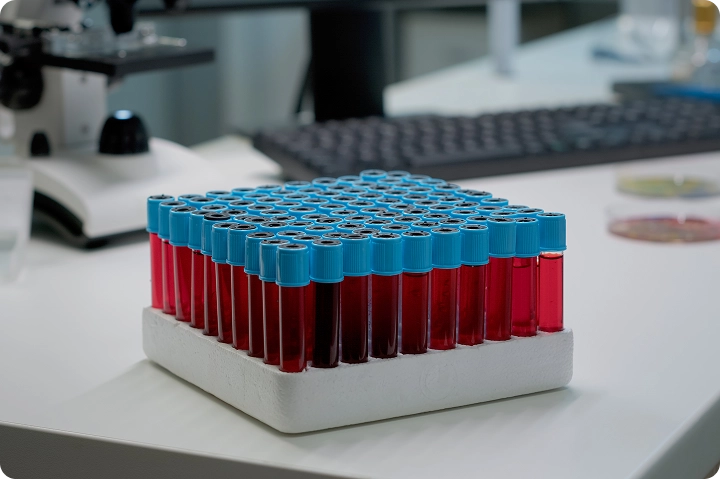
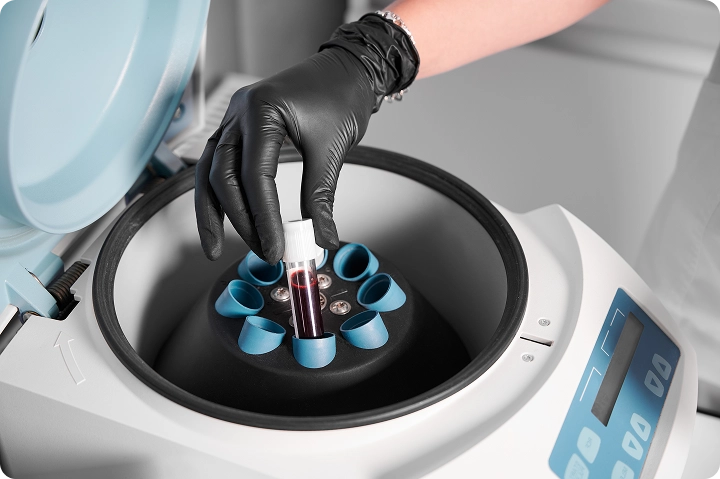
Independent testing is the foundation of trustworthy research materials. Here’s what purity testing involves and why it matters.
In research, results are only as reliable as the materials used to produce them. That’s why independent, third-party testing has become a standard expectation for research-grade peptides.
What Is Third-Party Testing?
Third-party testing means a batch is analyzed by an independent laboratory that has no stake in the sale of the product. This removes bias and gives researchers an objective view of what they are actually working with.
Common Testing Methods
High-Performance Liquid Chromatography (HPLC): Separates the components of a sample to measure purity, typically shown as a percentage.
Mass Spectrometry (MS): Confirms the identity of the peptide by measuring its molecular weight and comparing it with the expected value.
Together, these two methods answer the two most important questions: Is this the right compound? and How pure is it?
Reading a Certificate of Analysis (COA)
A COA is the document that summarizes test results for a specific batch. When reviewing one, researchers typically look for the batch or lot number, the testing date, the purity percentage, and confirmation of molecular identity.
Our Commitment
At Novasat BioSciences, every batch is independently tested, and results are available on our Test Results page so researchers can review the data before ordering.
For laboratory research use only.